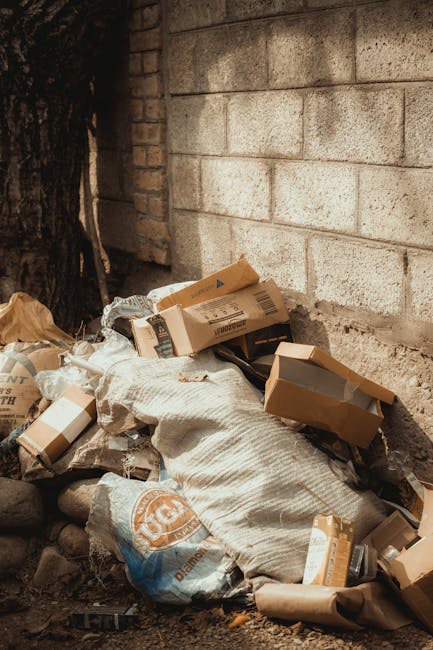
Clapham Common rubbish removal and bulky waste tips: a practical local guide
If you live near Clapham Common, you already know how quickly bulky waste can get in the way. One minute it is a broken wardrobe in the hallway, the next it is a sofa you can barely squeeze past, and suddenly the flat feels smaller than it really is. This guide to Clapham Common rubbish removal and bulky waste tips is here to make that whole process less stressful, less messy, and far more manageable.
We will cover what bulky waste actually means in everyday terms, how rubbish removal usually works in a busy London area, what to do before collection day, and how to avoid the common mistakes that lead to delays, extra costs, or awkward stairwell manoeuvres. You will also find a checklist, a comparison table, and a few local-minded tips that are genuinely useful, not just filler.
Why Clapham Common rubbish removal and bulky waste tips matters
Bulky waste sounds simple until you are the one trying to move it. A mattress, a cracked chest of drawers, or a tired old sofa can take up precious space for weeks if you do not plan ahead. Around Clapham Common, where many homes are flats, conversions, and older properties with narrow staircases, the practical challenge is often as much about access as it is about waste itself.
That is why Clapham Common rubbish removal and bulky waste tips are worth taking seriously. Good planning helps you protect walls and floors, reduce lifting risks, and avoid leaving items blocking corridors or shared entrances. It also helps if you are trying to make a home sale-ready, clear a rental property, or simply reclaim a bit of breathing room. Let's face it, one bulky item can make a room feel chaotic very quickly.
There is another angle too: bulky waste is rarely just "a thing to throw away." It may include items that can be reused, repaired, recycled, or separated from general rubbish. That matters if you want a more responsible clear-out and a smoother handover to a collection team. In our experience, people who sort this properly from the start usually have an easier day overall. Fewer surprises. Less stress. More floor space before lunch.
If your clear-out is part of a larger project, you may also find it useful to look at broader support such as rubbish clearance and waste removal, especially when the job includes mixed household items rather than just one sofa or mattress.
How Clapham Common rubbish removal and bulky waste tips works
At a practical level, bulky waste removal is a sequence of decisions. What needs removing? What can be broken down safely? What should stay separate? Who is lifting it, and how will it leave the property without damage? Those questions sound obvious, but they are exactly where many clear-outs go sideways.
Most people around Clapham Common handle bulky waste in one of three ways: they try to move it themselves, they arrange a private collection, or they deal with it as part of a wider clearance. Each option has its place. The best one depends on the item size, the building layout, the number of items, and how quickly you need the space back.
If you are dealing with large furniture, a service focused on furniture disposal or a specific item such as sofa removal can be a cleaner fit than a general tidy-up. On the other hand, if the clutter includes old boxes, broken storage, and random bits from the cupboard under the stairs, a broader waste clearance approach may be more efficient.
Think of the process like packing a van, only backwards. You start with the heaviest and most awkward items, then work down to the smaller material that can be loaded around them. Simple, but it needs a bit of judgement. A rushed collection often becomes a game of "will it fit?" and nobody enjoys that. Not even close.
For flats and smaller properties, a service such as flat clearance can be especially useful because it accounts for stairs, communal access, and limited waiting space. If you are clearing a whole property, house clearance or home clearance may be the better route.
Key benefits and practical advantages
The obvious benefit is getting your space back. But the real value of good bulky waste planning is often in the small things that reduce friction on the day itself.
- Less lifting strain: heavy items are the main cause of awkward, risky moves in tight hallways.
- Faster turnaround: a sorted load is usually quicker to remove than a pile of mixed items.
- Cleaner shared spaces: stairwells, entrances, and pavements stay safer and tidier.
- Better recycling potential: separating items early can help with responsible disposal and reuse where possible.
- Fewer hidden problems: broken frames, loose screws, or damp furniture are easier to spot before they become a hassle.
There is also a mental benefit people overlook. Clearing one bulky item can unlock momentum. Suddenly the spare room becomes usable again, or the hallway feels calmer. That sounds a bit soft, maybe, but anyone who has lived with a dead sofa for six months knows exactly what I mean.
For businesses, landlords, and managing agents, the benefits are even more practical. Time matters. Access matters. And consistency matters. If you need regular support, business waste or office clearance may be more appropriate than one-off domestic arrangements, especially when the items are being removed from workspaces, storage areas, or communal rooms.
Who this is for and when it makes sense
This topic is not just for people doing a massive spring clean. It applies to a wide range of everyday situations around Clapham Common.
- Tenants moving out and leaving behind bulky furniture they cannot take.
- Homeowners replacing old items before renovation.
- Landlords clearing a property between lets.
- Families dealing with garage overflow, old toys, and broken storage.
- Flat sharers who have somehow accumulated three desks and one usable chair. Classic.
- Small businesses disposing of office desks, shelving, or filing units.
- Anyone with garden waste, shed debris, or heavy items stored in a garage.
It also makes sense if you are comparing ways to remove bulky items from a property with limited access. For example, a top-floor flat near Clapham Common with narrow stairs and no lift may need a different approach than a ground-floor maisonette with side access. The logistics change the whole job.
If your project includes outdoor mess as well, garden clearance and garage clearance can be helpful companion services. Those spaces tend to collect a strange mix: paint tins, plant pots, old bikes, wet cardboard, and one mystery item nobody remembers buying.
Step-by-step guidance
If you want the simplest route to a smooth collection, follow this order. It keeps the job organised and prevents last-minute panic.
- Walk through the space first. Check every room, cupboard, corner, shed, and hallway. Bulky waste has a funny way of hiding behind more bulky waste.
- Separate items by type. Furniture, general rubbish, garden debris, and construction debris should not all be treated the same way.
- Check whether anything can be reused. A cupboard, shelving unit, or table may still have a second life if it is structurally sound.
- Disassemble where it is safe to do so. Beds, wardrobes, and some desks are easier to move in parts.
- Clear access routes. Move small items, shoes, door mats, and loose cables out of the way before the larger removal starts.
- Protect walls and floors. A folded blanket, cardboard sheet, or old towel can prevent annoying scuffs. That tiny scrape near the skirting board? It will annoy you later, guaranteed.
- Confirm what is being removed. Be very specific. A vague instruction like "everything from the back room" can create confusion.
- Keep any hazardous or specialist items separate. Do not mix them with ordinary bulky waste unless you know they are accepted.
- Check the final load before it leaves. This is the moment to catch a chair leg, extra bag, or forgotten drawer panel.
If the job includes builders' leftovers after a refurb, a dedicated builders waste service is usually the safer choice than trying to squeeze it into a general household tidy-up. Construction waste has its own weight, dust, and handling issues.
And if you are disposing of an old item that needs careful manual handling, especially bulky seating, sofa removal is often the most straightforward route. Sofas are awkward, dirty, and somehow heavier than they look. Every time.
Expert tips for better results
Here is where the small details really help.
Tip 1: measure before you move. It sounds basic, but many problems begin when someone assumes a wardrobe will fit through a doorway "if we angle it a bit." Sometimes yes. Sometimes no. Measuring the item, the hall, and the door frame can save a lot of pain.
Tip 2: take a photo list. A quick set of phone photos helps you remember what is going, especially if you have items in different rooms. It also makes it easier to explain the job clearly if the waste is spread across a flat and storage area.
Tip 3: keep hardware in one bag. Screws, brackets, and fittings have a habit of disappearing the second you need them. Put them in a labelled envelope or bag if you are dismantling furniture.
Tip 4: think about timing. In a busy area, mornings can be easier for access, parking, and moving items out before the day fills up. Late afternoon can work too, but you may find yourself dodging neighbours, deliveries, and the general rhythm of the street.
Tip 5: reduce weight where possible. Empty drawers, remove shelves, and clear bookcases before lifting them. A full chest of drawers is much more awkward than it looks. Truth be told, it can be a bit of a back-strain machine.
Tip 6: choose the right level of service. If the job is a single heavy item, a narrow item-focused solution is fine. If the room is full of mixed clutter, a broader rubbish removal or waste collection approach often gives better value and less hassle.
Tip 7: don't underestimate the small stuff. One bin bag, three broken stools, and a lamp base can become a surprisingly awkward pile. Small items fill gaps, but they also fill your time. Annoyingly so.
Common mistakes to avoid
Most bulky waste headaches are avoidable. The mistakes tend to be simple, which is perhaps why they happen so often.
- Leaving everything until the last minute. A rushed clear-out usually means forgotten items and blocked access.
- Not checking the item is empty. Drawers, cabinets, and storage ottomans often contain more than you expect.
- Mixing unsuitable waste types. Garden debris, furniture, and building waste should be separated where practical.
- Forgetting about access. Shared hallways, parking restrictions, and narrow stairwells can change the plan fast.
- Trying to lift too much alone. It is rarely worth the risk. A second pair of hands is often the difference between smooth and miserable.
- Assuming all bulky items are treated the same. Different materials need different handling. Metal, wood, upholstered furniture, and mixed waste each create their own issues.
A small but common one: people clear the visible room and forget the side storage, loft box, or under-bed pile. Then they call it done. It is not done, of course. It never is until the last nook has been checked.
If you are dealing with clutter in a storage-heavy part of the property, a home clearance can be a better fit because it covers the bigger picture rather than just the obvious pile in the corner.
Tools, resources and recommendations
You do not need a warehouse of equipment to handle bulky waste well. A few sensible tools make a big difference.
- Work gloves: helpful for splinters, sharp edges, and general grime.
- Strong refuse sacks: useful for smaller items and loose debris.
- Spanner or screwdriver set: handy if furniture needs dismantling.
- Tape and labels: useful for marking keep, donate, and remove piles.
- Blankets or cardboard: useful for protecting floors and door frames.
- Measuring tape: simple, but absolutely worth having.
For bigger clear-outs, it often helps to decide early whether you need a one-off item move or a broader support service. Some people only need waste disposal for mixed load handling. Others want a cleaner, more structured approach through rubbish collection or a full waste removal plan.
For office or workspace jobs, business waste and office clearance are especially relevant if you are replacing desks, chairs, filing units, or reception furniture. That kind of load often looks tidy from a distance and then turns into a logistical puzzle once you start moving it. Funny how that happens.
If you want to know more about the company background and service approach, the about us page can give useful context. And if you are checking service details, keep the terms and conditions and privacy policy in mind as part of normal due diligence.
Law, compliance, standards, or best practice
For rubbish and bulky waste, the safest approach is to follow recognised UK best practice: keep waste types sensible, avoid fly-tipping, and make sure anything removed from your property goes to a legitimate disposal route. If you hire someone to take waste away, it is wise to check that they operate responsibly and can handle the load properly. That is not overcautious; it is normal.
Homeowners, tenants, landlords, and businesses all have a duty to be careful about what leaves a property. Bulky waste should not end up dumped on a pavement, left in a shared hallway, or broken apart in a way that causes damage or danger. Even if the item looks harmless, poor handling can create trip hazards, blocked exits, or mess for neighbours.
Some items may need special attention because of material type, condition, or contamination. If you are unsure about a particular object, treat it conservatively and keep it separate until you know how it should be handled. In practice, that simple caution avoids a lot of trouble.
Best practice also means being honest about the load. Do not hide extra bags in the back room and then act surprised when the collection team spots them. People can tell. Usually immediately.
Options, methods, or comparison table
Choosing the right method depends on urgency, access, and the type of bulky waste you have. This comparison should help.
| Method | Best for | Strengths | Watch-outs |
|---|---|---|---|
| Self-moving | Very small, lightweight items | Low cost if you already have transport | Heavy lifting, damage risk, and time spent loading |
| Item-focused removal | Sofas, mattresses, wardrobes, single appliances | Simple, quick, and targeted | Less suitable for mixed clutter or multiple rooms |
| General rubbish collection | Mixed household waste and smaller items | Useful when clutter is varied | May not be ideal for especially large or awkward furniture |
| Full clearance service | Flats, houses, garages, offices, and larger projects | Efficient for bigger jobs and access-heavy buildings | Needs better preparation, but usually worth it |
For many Clapham Common properties, the middle ground is best. Not every job needs a full clear-out, but not every item should be dragged out solo either. The right method is the one that saves time without making the day feel like a small wrestling match.
Case study or real-world example
Here is a realistic scenario. A couple in a second-floor flat near Clapham Common had an old sofa, a broken bedside table, two office chairs, and several bags of random household items that had built up after a move. Nothing dramatic on its own. But together, it crowded the hallway, made it hard to clean properly, and kept getting in the way whenever guests visited.
Before collection day, they measured the sofa, cleared a path from the lounge to the entrance, and separated smaller items into one area. They also removed loose cushions, folded down the table legs where possible, and protected the stairwell edge with cardboard. Small effort, really, but it changed the whole pace of the day.
The result was straightforward: fewer trips, less lifting, and no awkward pause while trying to decide what was going and what was staying. The flat looked different by late afternoon. Quieter, somehow. You could actually hear your own footsteps, which sounds odd but anyone who has cleared a cluttered flat knows the feeling.
The main lesson? Preparation does not need to be fancy. It just needs to be done.
Practical checklist
Use this checklist before any bulky waste collection or clearance job.
- Identify every bulky item you want removed.
- Separate furniture, general waste, garden debris, and builders' debris.
- Measure large items and the access route.
- Empty drawers, cupboards, and hidden storage spaces.
- Remove loose parts, where safe, from beds, shelves, and tables.
- Clear hallways, doorways, and stairs.
- Protect floors, corners, and painted surfaces.
- Keep hazardous or unusual items apart until confirmed.
- Decide whether you need a single-item collection or a broader clearance.
- Double-check the final pile before anything is loaded.
Quick expert summary: The smoother bulky waste removal is always the one that starts early, stays organised, and respects access. That is the real secret, not magic equipment or last-minute heroics.
Get a free quote today and see how much you can save.
Conclusion
Clapham Common rubbish removal and bulky waste tips are really about making a difficult job feel manageable. Whether you are clearing one oversized item or emptying an entire room, the winning formula is the same: sort first, measure twice, protect access, and choose the right removal method for the space you are working with.
The more prepared you are, the faster the day moves. The less likely you are to damage a wall, strain your back, or discover a forgotten wardrobe panel at the very end. And honestly, that final bit is where the relief comes in. Once the bulky waste is gone, the room feels lighter almost immediately. A bit calmer too. You notice the floor again. The light in the corner. The space you actually have.
If you are planning a clear-out around Clapham Common, take your time with the prep, keep the load simple, and trust the process. It is a small job on paper, but a tidy space can make a big difference to everyday life.
Frequently Asked Questions
What counts as bulky waste in a Clapham Common home?
Bulky waste usually means large items that are awkward to move or cannot fit into normal household bins. That often includes sofas, mattresses, wardrobes, tables, chairs, shelving, and similar household pieces.
Do I need to dismantle furniture before removal?
Not always, but it can help. If a bed frame, wardrobe, or desk can be safely taken apart, removal is often easier and quicker. If not, leave it intact and let the collection plan account for the size.
What is the best way to clear a flat near Clapham Common?
For flats, access is often the main issue. A flat clearance approach is usually the most practical because it suits stairs, tight hallways, and shared entrances better than a general move.
Can I mix furniture and general rubbish in one load?
Sometimes yes, but it is usually better to separate them first. Mixed loads can be more awkward to handle and may slow down the removal process. Sorting also helps when some items are reusable and others are not.
What should I do with an old sofa?
A sofa is one of the most common bulky items to remove, and it is often easiest to treat it as a specific item job. Sofa removal is a sensible option when the item is large, heavy, or needs careful manoeuvring.
Is it worth booking a full clearance instead of one item removal?
If you have more than one room of clutter, a full clearance can be more efficient. It is usually a better fit for mixed household waste, garage contents, or a property that needs to be emptied quickly.
How do I prepare for bulky waste collection?
Measure the items, empty them, clear the route out of the property, and keep smaller items grouped by type. A few minutes of prep can save a lot of time on the day.
What if I have builders' debris as well as furniture?
Keep builders' debris separate if possible. Materials from renovation work are often better handled through builders waste rather than being mixed in with household furniture.
Are garden items treated the same as indoor bulky waste?
Not usually. Outdoor waste can include soil, branches, pots, fencing, or shed material, so it often needs a more specific approach. If your job includes outside clutter, garden clearance may be the better match.
How can businesses around Clapham Common deal with old office furniture?
Businesses typically benefit from a planned clearance rather than ad hoc lifting. Office clearance and business waste are useful options when desks, chairs, cabinets, and mixed work items need to go together.
Is there a difference between rubbish removal and waste collection?
In everyday use, the terms overlap quite a bit. Rubbish removal often suggests more hands-on clearing from a property, while waste collection can sound more focused on pickup and disposal. The best option depends on how much help you need and what type of items are involved.
What is the most common mistake people make with bulky waste?
The biggest mistake is underestimating access. People prepare the items but forget the hallway, stairs, parking, and turning space. It is a small oversight that can cause a very long afternoon.
Where can I check the company's policies before booking?
You can review the privacy policy and terms and conditions before making any decision. That is a sensible final check, especially if you are comparing services or arranging access.